What are the signs of moles?
Mole hills.
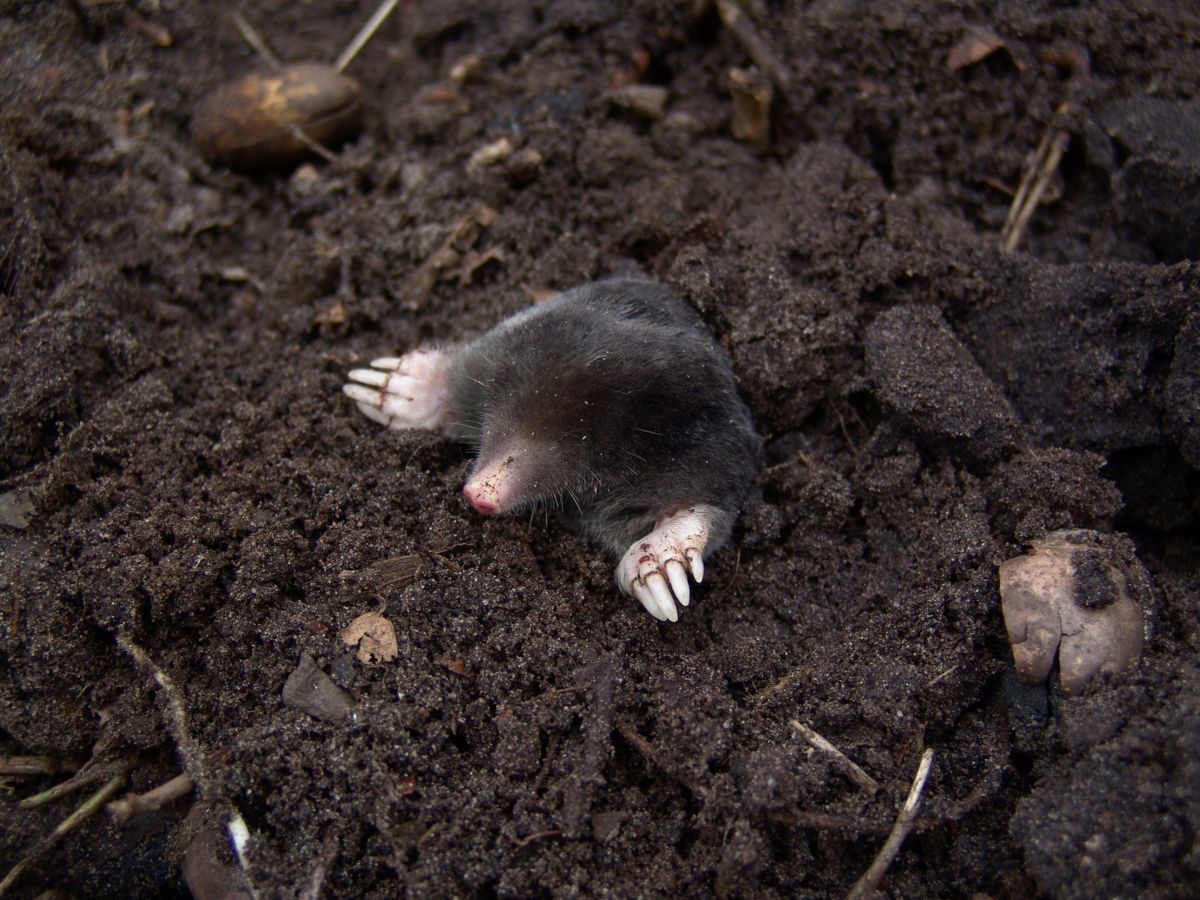
Mounds of freshly excavated soil, often in lines or clusters. Fresh hills are dark and loose, old ones dry out and settle.
Ridges and tunnels.
Raised lines of turf where moles have tunnelled just below the surface, common in lawns and paddocks.
Collapsed tunnels.
Shallow runs that collapse underfoot, leaving uneven ground.
Plant damage.
Moles disturb roots while tunnelling, and lifted turf dries out and dies.
Mole activity in the same areas.
Moles use established tunnel systems, so new hills keep appearing in the same places.
What damage do moles cause?

Are moles dangerous?
Why DIY mole control fails
How professional mole control works
 01
01Survey
We assess the mole activity, identifying the active tunnels from the fresh hills and runs.
02Trapping
Proven trapping methods are used to remove the active moles, with traps set in the right runs and checked regularly.
 03
03Ground repair advice
Once the moles are gone, we advise on reinstating the ground so the lawn or paddock recovers. Mole work covers gardens, farms, equestrian land, sports grounds and commercial sites across Bude, Launceston, Holsworthy and the surrounding area. Call 07552372561 or request a quote, with free quotes and no hidden charges.

Moles on farmland
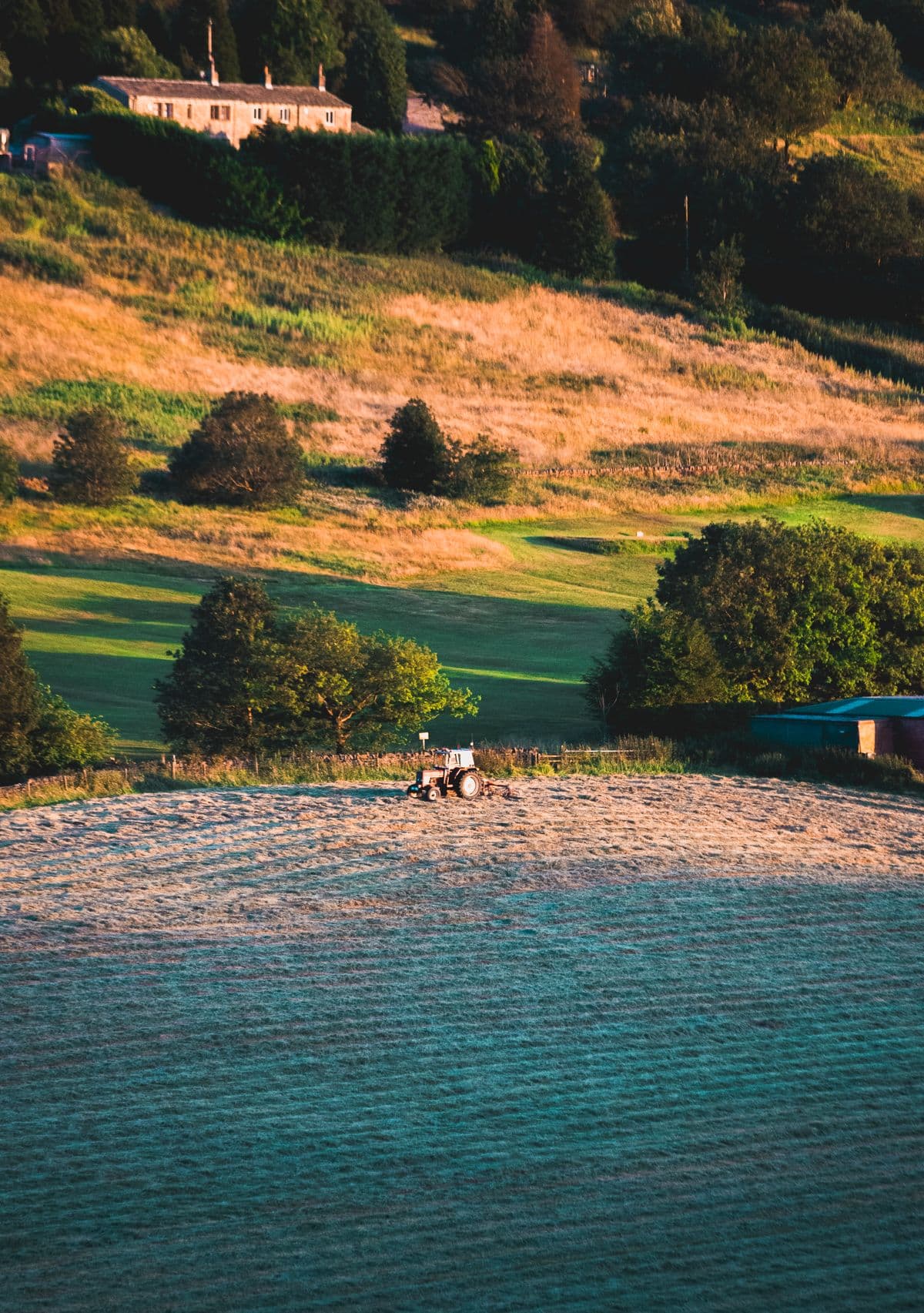
For farmers and smallholders, mole activity on grazing land, silage ground and field margins is a real cost. Fresh soil contaminates grass at cutting time, and uneven ground is a hazard for livestock. Practical, inspection-ready mole management keeps the damage under control through the seasons, alongside rodent control in feed stores and grain barns. See rat and mouse control for the rodent side of farm pest management.
Common questions
What do mole hills look like?+
Mole hills are mounds of freshly excavated soil, often appearing in lines or clusters. Fresh hills are dark and loose, while older ones dry out and settle.
Do moles cause damage to lawns and paddocks?+
Yes. Mole tunnels lift and kill turf, hills create uneven ground, and on paddocks and grazing land the uneven surface is a hazard for horses and livestock.
Are moles dangerous to pets or people?+
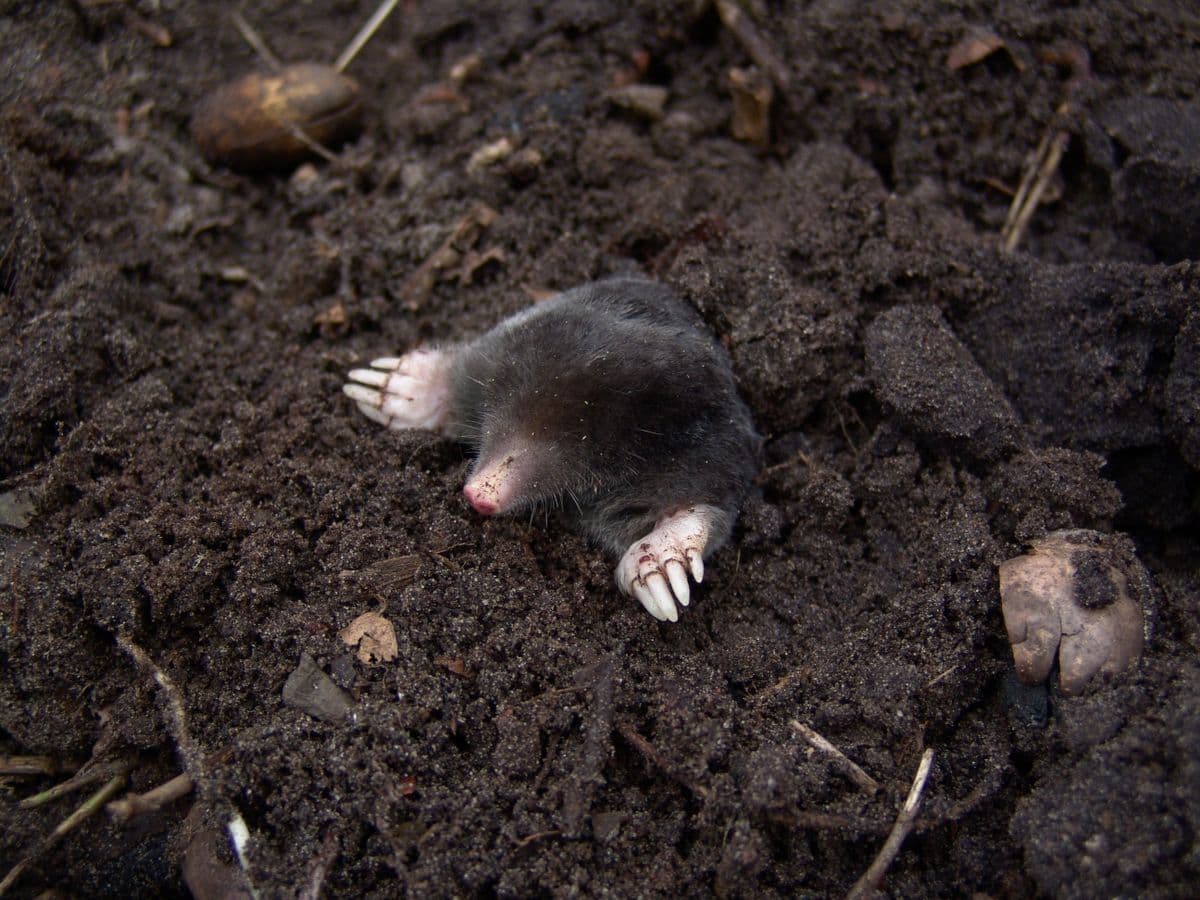
Moles are not directly dangerous to people or pets. They are insectivores, not rodents. The problem is the damage they cause to lawns, paddocks and farmland.
Can I get rid of moles myself?+
DIY mole control rarely works. Traps must be placed in the right tunnel at the right depth, and moles quickly learn to avoid disturbed runs. Professional trapping reads the activity properly.
Do you provide mole control for farms?+
Yes. We provide mole control for domestic gardens, farms, equestrian properties, sports grounds and commercial land, with practical, inspection-ready mole management.
How quickly can you attend?+
I aim to arrange the earliest available appointment. If mole damage is affecting livestock ground or silage ground, say so when you call. ---
Jack is the owner of SW Pest Management, a local pest control business based in North Cornwall covering Bude, Launceston, Holsworthy and the surrounding area.
More about SW Pest Management →Found the signs of a pest problem?
Call 07552 372561 for honest advice on what you are dealing with, or request a quote for a free, fixed-price visit.